10 Fireplace Designs That Bring Warmth & Style Home

Tile is a timeless choice for fireplace surrounds, offering American homeowners countless ways to bring personality, texture, and visual interest into their living spaces. Whether the goal is a sleek contemporary centerpiece, a cozy traditional hearth, or a bold architectural feature, the right tile can transform an ordinary fireplace into one of the most memorable elements of a room.

One of the greatest advantages of tile is its incredible variety. Glossy finishes reflect light and create a polished appearance, while matte surfaces offer a softer, more understated look. Solid colors can establish a calm, cohesive backdrop, whereas patterned tiles introduce movement and character. Large-format tiles create a clean, expansive effect with fewer visible grout lines, while smaller pieces allow for intricate patterns and decorative details.

Material selection also plays an important role in defining the overall atmosphere. Handcrafted ceramic tiles bring an artisanal quality, with subtle variations in color and texture that make each installation feel distinctive. Natural stone offers organic veining and rich surface variation, creating a sense of depth and timeless elegance. Porcelain provides versatility and a wide range of finishes, making it suitable for everything from minimalist interiors to more decorative designs. For homeowners seeking a more luxurious statement, carefully detailed stonework can give a fireplace a refined, architectural presence.

The arrangement of the tiles is just as important as the material itself. A traditional offset pattern creates a familiar, relaxed appearance, while a straight-stacked layout introduces clean lines and a more contemporary feel. Herringbone adds movement and sophistication, and basketweave patterns bring a decorative touch that works particularly well in classic or transitional interiors. For something more expressive, geometric designs, checkerboard arrangements, mosaics, and contrasting stripes can turn the fireplace surround into a work of art.

Color can further influence how the entire room feels. Warm beige, cream, and earthy brown tones complement natural wood and create an inviting atmosphere. Deep green, navy, charcoal, and other saturated shades can make the fireplace feel dramatic and distinctive. Lighter colors help maintain an airy appearance, while contrasting grout can emphasize the shape and arrangement of individual tiles. The most successful combination is one that complements the room’s existing finishes while giving the fireplace its own identity.

Beyond its decorative appeal, tile can also influence the perceived proportions of a space. Extending the surround horizontally across a wider section of the wall can make the fireplace feel more substantial and visually anchor the room. Carrying the tile vertically toward the ceiling draws the eye upward, emphasizing ceiling height and creating a more dramatic architectural feature. These approaches can be particularly effective in living rooms where the fireplace serves as the primary focal point.

For a cohesive result, consider how the tile will interact with the mantel, flooring, wall color, lighting, and nearby furniture. A heavily patterned surround may benefit from simpler furnishings, while a restrained tile selection can provide the perfect foundation for an expressive mantel or sculptural accessories. Scale matters, too: the pattern should feel proportionate to the fireplace and the room rather than competing with the surrounding architecture.

Before choosing a design, make sure the selected tile, installation materials, and clearances are appropriate for the specific fireplace system. Heat exposure and manufacturer requirements can affect which materials and installation methods are suitable.

Ultimately, a tiled fireplace surround offers far more than a decorative finish. It creates an opportunity to introduce craftsmanship, reinforce your home’s design style, and give an everyday gathering place a stronger sense of character. From understated natural stone to intricate handcrafted patterns, the possibilities are extensive.

The right tile doesn’t simply frame a fireplace — it transforms the entire wall into a defining feature of your home.

Top 10 Design Directions Taking Over Interiors in 2026

American interiors are taking a warmer, more expressive turn in 2026. Instead of chasing perfectly coordinated rooms, homeowners are embracing materials they can feel, colors with depth, craftsmanship with character, and details that make a space feel unmistakably personal.

Here are some of the design directions making an impact across U.S. homes.

1. Texture Takes Center Stage

Texture is becoming one of the defining elements of comfortable interiors. Instead of relying solely on color or decoration, designers are creating visual interest through materials that invite you to touch them.

Velvet, suede, corduroy, leather, denim, wool, and patterned fabrics can instantly change the atmosphere of a room. A textured chair, a soft sofa, or a richly upholstered headboard can make a space feel warmer and more inviting.

In 2026, texture isn’t simply an accessory.

It’s part of the atmosphere.

2. Neutrals Are Getting Deeper

Neutral interiors aren’t disappearing — they’re evolving.

Instead of building a room entirely around pale beige or cool gray, American homes are embracing richer combinations of brown, burgundy, cream, and charcoal. These tones create depth while maintaining the timeless quality that makes neutral palettes so appealing.

The result feels sophisticated without feeling overly formal: familiar colors, but with considerably more personality.

3. Walnut Brings Back Timeless Warmth

Dark natural woods are making a strong return, and walnut is particularly compelling. Its deep grain and chocolate-toned finish can add instant richness to cabinetry, furniture, flooring, and architectural details.

Walnut also pairs beautifully with lighter materials. Place a dark walnut surface against a crisp white wall, soft cream upholstery, or pale stone, and the contrast creates a look that feels both classic and contemporary.

It isn’t about recreating the past. It’s about bringing the lasting beauty of natural materials into modern American homes.

4. Architectural Millwork Is Back

Walls are getting more attention.

Paneling, molding, trim, wainscoting, built-ins, and other forms of architectural millwork are returning to residential interiors, bringing dimension and craftsmanship to otherwise ordinary surfaces.

The modern approach isn’t necessarily ornate or traditional. Clean profiles and thoughtfully scaled details can give contemporary spaces a sense of permanence and character.

Sometimes, the most effective decoration is built directly into the architecture.

5. The 1970s Are Inspiring a New Generation

The 1970s are returning — but not as a literal time capsule.

Instead of recreating vintage interiors from floor to ceiling, designers are borrowing the era’s most appealing qualities: earthy colors, relaxed furniture, natural materials, handmade details, playful patterns, and an easygoing sense of fun.

Think olive, mustard, rust, warm brown, woven textures, low-profile furniture, and vintage-inspired accents.

The goal isn’t to make a home look like it belongs in 1975.

It’s to capture the spirit of the era without copying it.

6. Personal Style Is Becoming the Ultimate Trend

Perhaps the most important design movement is a move away from following trends too literally.

A beautiful home doesn’t need to look like a catalog or replicate the latest social-media aesthetic. The strongest interiors often combine contemporary pieces with vintage finds, meaningful artwork, family heirlooms, and objects collected over time.

Trends can provide inspiration, but personal taste should make the final decisions.

Your home should tell your story — not someone else’s.

7. Contrasting Materials Create More Character

Uniform finishes are giving way to thoughtful combinations.

Imagine soft limewashed walls beside polished stone, natural wood next to sleek metal, or matte surfaces paired with subtle gloss. The contrast creates visual tension and keeps rooms from feeling overly predictable.

American interiors are becoming more layered and collected, combining refined materials with handmade elements and polished finishes with imperfect textures.

The result feels intentional without feeling overly arranged.

8. Color Capping Adds a Subtle Surprise

Color drenching — covering walls, trim, and sometimes ceilings in one shade — has been a major design approach. Now, a more restrained variation is emerging.

Color capping introduces a contrasting shade across the upper portion of a wall or onto the ceiling, creating an unexpected visual moment without overwhelming the room.

It can be especially effective in bedrooms, hallways, dining rooms, and smaller spaces where a little architectural drama can make a big impact.

Sometimes, the best color is the one you don’t see immediately.

9. Warmth Is the New Definition of Luxury

Luxury in American homes is becoming less about formality and more about how a space feels.

Warm woods, soft upholstery, layered lighting, dimmable fixtures, natural materials, and inviting textures can create rooms that feel comfortable from the moment you walk through the door.

The goal isn’t simply to make a room impressive.

It’s to make it feel good to live there.

10. Unexpected Details Make a Home Feel Alive

Some of the most memorable design choices are small ones.

A bold wallpaper inside a powder room. A surprising color inside a cabinet. Patterned drawer liners. A colorful ceiling. An unexpected piece of art in an otherwise quiet hallway.

These details don’t have to dominate the room. Their purpose is to create moments of discovery.

In 2026, American interiors are becoming less concerned with perfection and more interested in personality.

The best homes aren’t simply beautiful. They’re warm, expressive, surprising, and unmistakably lived in.

10 Interior Paint Colors That Transform Any Room

Let’s talk color! From bold, statement-making shades to soft, understated hues, color is becoming an increasingly exciting way to bring personality into American homes. Inspired by design movements around the world, evolving interiors, and the endless possibilities of the color wheel, today’s paint palettes offer something for every style and mood.

Whether you’re drawn to vibrant jewel tones, earthy greens, rich burgundy, warm terracotta, powdery pastels, or deep, dramatic blues, the right shade can completely change the way a room looks and feels. Color gives interiors a sense of identity, turning familiar spaces into environments that feel expressive, welcoming, and uniquely personal.

Across the United States, homeowners are exploring more creative ways to use paint. Instead of limiting color to the walls, they’re bringing it into cabinetry, doors, trim, built-in shelving, ceilings, and architectural millwork. A richly painted kitchen island can become a striking focal point, while a colorful front door adds character before guests even step inside. A soft, muted bedroom palette can encourage relaxation, whereas a saturated dining room can create an intimate atmosphere for entertaining.

The beauty of color lies in its versatility. You don’t need to redesign an entire home to make an impact. Sometimes, a single accent wall, a freshly painted vanity, or a contrasting set of interior doors is enough to give a room a completely new perspective. For those ready to make a bigger statement, combining complementary shades or layering different tones throughout an open-concept living area can create a cohesive design with plenty of personality.

Of course, choosing the perfect paint color involves more than finding a shade you love on a color card. Before opening the paint cans, it’s worth considering how color behaves in your particular space.

First, remember that color is personal. The same shade can look different to different people depending on their visual perception, preferences, and surrounding environment. One person may see a warm, inviting beige, while another notices its subtle yellow or pink undertones. When several people share a home, agreeing on the right shade can sometimes be just as challenging as choosing the furniture.

Lighting adds another layer of complexity. Natural daylight changes throughout the day, and a room facing north may reveal cooler undertones than a sun-filled room facing south. Artificial lighting can also influence how paint appears, with warm bulbs bringing out certain colors and cooler bulbs making others feel sharper or more subdued.

Room size, ceiling height, flooring, furniture, and nearby finishes all contribute to the final result. A deep, dramatic color may create a cozy atmosphere in a dining room but feel overwhelming in a small, dimly lit hallway. Meanwhile, a pale neutral that looks beautifully understated in a bright showroom might appear flat or cool in a room with limited natural light.

That’s why testing paint samples directly in your home is one of the most important steps in the process. Apply sample colors to different areas of the room and observe them throughout the day, from morning sunlight to evening illumination. If possible, look at larger sample boards so you can better understand how the shade interacts with your furnishings, flooring, and architectural details. Taking time to test before committing can help prevent costly repainting and disappointing results.

It’s also helpful to consider the atmosphere you want to create. Warm reds, oranges, and earthy browns can make a room feel energetic or intimate. Greens and blues often lend themselves to calmer, nature-inspired palettes. Creams, taupes, and muted pastels provide a softer foundation, while charcoal, plum, and deep navy can add drama and sophistication.

Most importantly, don’t feel obligated to follow every popular color trend. Trends can spark ideas, but the best palette is one that complements your home’s architecture and reflects the way you want to live. You might prefer a bold, colorful kitchen, a serene neutral bedroom, or a playful combination of shades throughout your living spaces. There is no single formula for creating a beautiful interior.

The goal is to use color with confidence, intention, and a little imagination. Explore unexpected combinations, experiment with finishes, and give yourself permission to move beyond familiar neutrals. Whether your style is bright and energetic, moody and dramatic, or soft and understated, the right paint can help your home tell its own story.

So, before you reach for the same shade you’ve used in every room, consider trying something different. A new color might be exactly what your space needs to feel fresh, distinctive, and entirely your own.

Happy Halloween in Barbie Style: A Dreamhouse of Delight

Pink walls, playful outfits, big personalities, and a whole lot of imagination — Halloween is the perfect excuse to turn an ordinary workday into something extraordinary! Across the United States, offices, schools, neighborhoods, and homes embrace the season with creative costumes, festive decorations, and celebrations that bring people together. And when a little pop-culture inspiration enters the mix, the possibilities become even more exciting.

One particularly playful Halloween theme is inspired by the unmistakable world of Barbie. With its signature pink palette, glamorous accessories, nostalgic charm, and endless opportunities for self-expression, this theme offers plenty of room for creativity. From classic doll-inspired outfits to modern fashion looks, there are countless ways to bring the spirit of Barbie and Ken to life.

Imagine a workspace transformed with bright pink decorations, colorful balloons, playful props, and cheerful details that feel straight out of a dreamhouse. Guests arrive dressed in everything from sparkling party outfits and retro-inspired ensembles to recognizable pink-and-denim combinations. A few Kens complete the picture, proving that a great Halloween costume is all about confidence, imagination, and having fun.

The best part of a themed celebration is how it encourages everyone to step outside their everyday routines. Colleagues become characters, familiar spaces take on a completely different personality, and even the simplest decorations can inspire memorable moments. A coordinated color scheme, a creative photo backdrop, and a few carefully chosen accessories can turn an ordinary office party into an experience worth remembering.

Of course, Halloween isn’t just about dressing up. It’s also an opportunity to celebrate creativity, enjoy a little nostalgia, and share a laugh with friends, family, and coworkers. Whether you’re hosting a costume party, decorating your workspace, organizing a neighborhood gathering, or planning a night of trick-or-treating, the most memorable celebrations are often the ones where people feel free to express themselves.

The Barbie-inspired aesthetic is especially fun because it can be interpreted in so many ways. Some may embrace the classic pink-and-glam look, while others experiment with vintage fashion, beach-inspired outfits, bold accessories, or imaginative variations on familiar characters. There is no need to follow one exact formula — the more personal the interpretation, the more interesting the result.

As Halloween arrives across America, it’s worth remembering that the season’s real magic comes from the shared experience: the laughter, the creativity, the unexpected costumes, and the memories that last long after the decorations come down.

So bring out the pink, turn up the music, gather your favorite people, and let your imagination take center stage. Whether you’re celebrating in Barbieland or the real world, Halloween is your invitation to play a different role for a day.

Happy Halloween! May your costumes be bold, your decorations be unforgettable, and your celebration be filled with creativity, laughter, and a little extra sparkle.

“Humans only have one ending. Ideas live forever.” — Ruth Handler, creator of Barbie

More Halloween Inspiration

Looking for more ways to celebrate the season? Explore creative costume themes, colorful decorating ideas, and festive inspiration for your next Halloween gathering. From nostalgic favorites to imaginative new concepts, there’s always another way to make the holiday your own.

Celebrate in Style: Special Savings on Milgard Patio Doors

A beautiful patio door can transform the way you experience your home. From creating a brighter living space to opening up views of your backyard or patio, the right design brings together style, functionality, and a stronger connection to the outdoors.

Across the United States, homeowners can explore a wide range of sliding patio doors and expansive moving glass wall systems to complement different architectural styles and living spaces. Seasonal promotions and manufacturer offers may also provide opportunities to explore upgrades while managing renovation costs.

Explore Patio Door Offers and Upgrade Opportunities

Whether you’re renovating an existing home or planning a larger improvement project, replacing an older patio door can be an opportunity to refresh your space and explore modern design options.

Depending on the products available, promotional offers may include special pricing, limited-time incentives, or other benefits on qualifying patio doors and moving glass wall systems. Offer terms, eligible products, and participation requirements vary by manufacturer and promotion.

Before making a purchase, review the official promotion details to understand the applicable conditions and confirm whether the offer is still available.

Find the Right Patio Door for Your Home

Choosing a new patio door involves more than appearance. Consider how the door will fit your space, complement your home’s design, and support your everyday needs.

  • Sliding patio doors: A practical option for many homes, with panels that move along a track without requiring additional swing space.
  • Moving glass wall systems: Expansive glass configurations that can create a more open connection between indoor and outdoor living areas.
  • Energy-conscious designs: Explore available glazing and frame options that may support indoor comfort and energy performance.
  • Style and finish choices: Compare frame colors, hardware, glass configurations, and other features to coordinate with your home’s interior and exterior.

The ideal choice depends on your available space, budget, architectural style, and performance priorities.

Make Your Next Home Improvement Project Count

A patio door replacement can be an opportunity to improve the appearance and functionality of your living space. Before choosing a product, compare available designs, review installation requirements, and request a detailed estimate that explains the products, labor, and other project costs.

If a manufacturer is offering a limited-time promotion, check its official website or consult an authorized participating dealer for current availability, eligibility requirements, and complete terms.

A New Perspective: Trending Window Ideas to Transform Your Home

Planning a home remodel is the perfect opportunity to rethink the details that shape your home’s character. Windows, in particular, can do much more than frame an outdoor view. They influence natural light, interior atmosphere, architectural style, energy performance, and curb appeal. Whether you prefer a subtle refresh or a bold design statement, the right replacement windows can give your home a fresh perspective without changing its entire structure.

Before choosing a style, consider your home’s architecture, the look you want to achieve, your budget, and the practical needs of each room. From sculptural bay windows to elegant arched designs and colorful frames, here are several window replacement ideas to inspire your next project.

1. Add Dimension With Bay and Bow Windows

If a flat exterior feels a little too ordinary, bay and bow windows can introduce depth, character, and a more interesting view. Both styles extend outward from the home’s exterior wall, creating an architectural feature that can make an interior feel more spacious and inviting.

Bay windows typically combine three or more window panels arranged at angles, often with a larger central window and narrower windows on either side. Their defined lines create a distinctive projection that works particularly well in living rooms, dining areas, kitchens, and bedrooms.

Bow windows feature several window panels arranged in a gentle curve. Their rounded appearance creates a softer architectural effect and can provide a wider panoramic view of the outdoors.

Depending on the design, either style can incorporate operable side windows to improve ventilation. The area beneath the window may also offer an opportunity to create a cozy reading nook, additional seating, or a decorative display space.

Design tip: Add a cushioned window seat, a few comfortable pillows, and layered lighting to turn the area into a welcoming corner for reading or relaxing. Before installation, confirm that the wall structure and exterior space can accommodate the projection.

2. Make a Statement With Arched and Circular Windows

Straight lines are not the only way to frame a view. Round, half-circle, arched, and radius windows introduce curves that soften the appearance of a room and create a distinctive architectural focal point.

These shapes can be installed above entry doors, paired with conventional rectangular windows, or used independently on a wall that would benefit from additional daylight. Arched windows can complement traditional and transitional homes, while simple circular designs can bring a playful or contemporary touch to modern interiors.

Gable windows are another option worth exploring. Positioned within the triangular section of a roofline, they can highlight the home’s architecture while bringing daylight into upper-level rooms or spaces with vaulted ceilings.

The key is to choose a shape that complements the existing structure rather than competing with it. A single curved window can create a memorable feature, while several carefully coordinated windows can establish a consistent design throughout the home.

Design tip: Consider placing an arched or half-circle window above a rectangular window or doorway to create a layered effect that feels both classic and distinctive.

3. Brighten Your Rooms With Transom and Clerestory Windows

When a room feels dark despite having conventional windows, adding glazing higher on the wall may be an effective design solution.

Transom windows are positioned above doors or other windows. They can bring additional daylight into entryways, hallways, home offices, and adjoining rooms without requiring a wider opening at eye level.

Clerestory windows are installed high on a wall, often near the roofline or beneath a vaulted ceiling. They are especially useful in spaces where privacy, furniture placement, or neighboring buildings limit the use of traditional windows.

In kitchens, high windows can bring daylight above cabinets or countertops. In living rooms and dining areas, they can emphasize ceiling height and create a more open atmosphere. Bathrooms may also benefit from high-set glazing when natural light is desired without sacrificing privacy.

For a more dramatic look, consider arranging multiple windows in a continuous row or combining different window sizes to create a carefully balanced composition.

Design tip: Plan the placement around the sun’s direction, privacy requirements, and the room’s intended use. High windows can brighten an interior while preserving valuable wall space for storage, artwork, or furniture.

4. Transform Your Exterior With Colorful Window Frames

Window frames are often treated as a finishing detail, but their color can significantly influence the appearance of a home’s exterior. Choosing a different frame finish is a simple way to introduce contrast, emphasize architectural lines, or create a more coordinated design.

White and neutral frames remain versatile choices, while darker finishes can add definition to contemporary homes. Warm tones may complement natural wood, brick, and stone, while contrasting colors can make windows stand out against lighter siding.

For example, dark frames against a light exterior can create a crisp, modern effect. Frames that closely match the siding can produce a more understated appearance, allowing landscaping and architectural features to take center stage.

Vinyl windows are one option to consider because they generally require relatively little maintenance and are available in a range of styles and finishes. Other materials, including fiberglass, wood, and aluminum, offer different aesthetic and performance characteristics.

Keep in mind that available colors, interior and exterior finish combinations, and maintenance requirements vary by product and manufacturer. Energy performance also depends on the entire window assembly, including the glazing, frame construction, seals, and installation quality.

Design tip: Before committing to a color, compare samples against your siding, roof, exterior trim, and interior finishes in different lighting conditions.

5. Choose Between Replacement Windows and New-Construction Windows

The right window design also depends on the type of remodeling work your home requires. Replacement windows and new-construction windows serve different installation needs, so understanding the distinction can help you plan your project more effectively.

Replacement windows are generally designed to fit into existing window openings, making them a common choice when updating older units without rebuilding the surrounding wall. The exact installation method depends on the condition of the existing frame and the requirements of the selected product.

New-construction windows typically include a frame or nailing flange intended to be integrated with the building’s exterior weather barrier. They are often used in new homes or remodeling projects that involve removing existing frames, rebuilding openings, or replacing exterior wall finishes.

Neither option is automatically better for every project. The appropriate choice depends on the condition of the existing structure, moisture management, the scope of the renovation, local building codes, and the manufacturer’s installation requirements.

A qualified installer can assess the opening and explain which approach is likely to provide the most suitable result.

6. Balance Design, Comfort, and Energy Efficiency

A beautiful window should also work well in everyday life. As you compare styles, consider how each option affects indoor comfort, maintenance, privacy, and energy use.

Here are several factors to keep in mind:

  • Natural light: Larger glass areas and thoughtfully positioned windows can make rooms feel brighter and more connected to the outdoors.
  • Ventilation: Operable styles, such as casement, single-hung, and double-hung windows, offer different ways to introduce fresh air.
  • Energy performance: Look for appropriate energy ratings, insulated glass, low-emissivity coatings, and effective weather seals.
  • Climate suitability: Window requirements vary across the United States, from hot and humid regions to areas with freezing winters, strong winds, or frequent storms.
  • Maintenance: Compare frame materials, finishes, cleaning requirements, and expected upkeep.
  • Privacy and safety: Consider window placement, glass options, locking mechanisms, and applicable safety requirements.

It’s also important to look beyond the product itself. Even high-performance windows may not deliver their intended benefits if they are poorly installed or if the surrounding wall has unresolved air leaks or moisture problems.

Find the Window Style That Fits Your Home

The best window replacement project combines personal style with practical improvements. Bay and bow windows can add depth, arched designs can introduce architectural elegance, and transom or clerestory windows can bring daylight into areas that need it most. Colorful frames offer another way to refresh your exterior without changing the home’s overall character.

Start by identifying what you want to improve: a darker room, an outdated exterior, limited ventilation, an obstructed view, or the overall appearance of your living space. Then compare window styles, materials, installation methods, and energy-performance features that align with your home’s design and your budget.

With thoughtful planning and professional installation when needed, replacement windows can help create a home that feels brighter, more comfortable, and more visually distinctive.

A Modern Makeover: New Windows and Doors for Apartment Buildings

Upgrading windows and doors across an apartment complex is a significant investment that requires careful planning, the right materials, and an installation method suited to the building. For property owners, developers, and managers throughout the United States, the goal is to improve performance, refresh the property’s appearance, and address potential issues before they become costly problems.

While some replacement projects can be completed using existing window frames, others require a more comprehensive approach. Full-frame installation, commonly associated with new-construction-style window installation, can be a suitable solution when existing frames need to be removed or when the surrounding structure requires attention.

From multifamily communities and townhouses to condominiums and low-rise residential buildings, understanding the available installation methods can help property professionals make informed decisions and plan successful renovation projects.

A Closer Look at Multifamily Window Replacement

Replacing windows and patio doors across multiple residential units involves more than selecting attractive products. Each project may require detailed measurements, material comparisons, budget planning, scheduling, and coordination between property managers, contractors, and residents.

A well-organized process typically begins with an assessment of the existing building. Professionals examine window conditions, surrounding materials, exposure to weather, and the performance requirements of the property. This information helps determine which products and installation methods are most appropriate.

For larger projects, consistent specifications are particularly important. Choosing compatible window styles, frame colors, and hardware across multiple units can create a cohesive exterior while simplifying future maintenance.

The result is a renovation plan that balances practical requirements, architectural appearance, and long-term property needs.

Full-Frame Installation vs. Retrofit Replacement

One of the most important decisions in a window replacement project is determining how the new units will be installed. Retrofit and full-frame installation methods serve different purposes, and neither is automatically the best choice for every building.

What Is Full-Frame Installation?

Full-frame installation involves removing the existing window unit and, when required, its frame and associated components to expose the surrounding opening. The replacement window is then installed and integrated with the building’s weather-resistant barrier, flashing, and exterior finishes according to the selected system.

Depending on the construction, this process may involve removing portions of stucco, siding, trim, or other exterior materials and restoring them after installation.

This approach can be especially useful when existing frames are deteriorated, water intrusion is suspected, or the condition of the underlying opening needs to be evaluated.

When Is Retrofit Installation Appropriate?

Retrofit installation generally uses some portion of the existing window frame to accommodate the replacement unit. Because it may require less removal of surrounding materials, it can reduce disruption and finishing work when existing frames are sound and suitable for the new system.

However, retaining an existing frame may not be advisable when there is significant deterioration, moisture damage, or a history of leakage that has not been resolved.

How Do You Choose the Right Method?

The decision should be based on the building’s condition, exposure to weather, existing construction details, product requirements, and project budget.

In areas exposed to heavy rain, strong winds, or other demanding weather conditions, proper flashing, sealing, and integration with the exterior wall assembly are especially important. Full-frame installation can provide better access to these details when the existing opening needs repair, but it does not guarantee better performance by itself. Quality materials and correct installation remain essential.

A qualified window professional can assess the property and explain which approach best addresses its specific needs.

Choosing Windows and Patio Doors for Apartment Buildings

Multifamily properties require products that combine dependable operation, suitable performance, and a consistent appearance. The best choice depends on the building’s architecture, local climate, ventilation needs, and maintenance expectations.

Window Styles for Different Needs

Several common window configurations are worth considering:

  • Casement windows: Hinged at the side and operated outward, they can provide ventilation and a wide opening when appropriately positioned.
  • Awning windows: Hinged at the top, these open outward and may offer ventilation while helping shield the opening from light rain, depending on conditions.
  • Fixed windows: Designed not to open, they provide natural light and unobstructed views where ventilation is not required.
  • Horizontal sliding windows: Move along a track and can be practical in spaces where outward-opening windows are unsuitable.
  • Single-hung windows: Feature a movable lower sash and a stationary upper sash in many common designs.

The appropriate configuration may vary from room to room and should comply with applicable requirements for ventilation, emergency escape, fall protection, and other safety considerations.

Patio Doors That Connect Indoor and Outdoor Spaces

Sliding patio doors are frequently used in apartments and townhouses with balconies, patios, or outdoor living areas. Their sliding operation can save space compared with hinged doors, while expansive glass panels can bring natural light into the interior.

When selecting patio doors, consider smooth operation, locking hardware, weather sealing, glass performance, and accessibility. The door system must also be appropriate for the building’s exposure and installation details.

Frame Materials and Finishes

Replacement windows and doors are available in vinyl, fiberglass, composite materials, aluminum, wood, and other configurations. Each option has its own advantages, limitations, maintenance needs, and price range.

Frame colors can also influence the property’s overall appearance. For example, a darker exterior frame paired with a lighter interior finish may create a contemporary look, while neutral tones can complement a wide range of architectural styles.

Rather than choosing products based on appearance or price alone, compare performance ratings, warranty coverage, maintenance requirements, and compatibility with the existing building.

Why Material Selection Matters

Window and door materials influence durability, appearance, maintenance, and overall performance.

Composite products, for example, may combine different material properties to create frames designed for residential use. Vinyl is often considered for its affordability and relatively low maintenance, while fiberglass and other materials may appeal to projects with specific durability or design requirements.

No single material is ideal for every apartment complex. Property owners should compare complete product specifications, including structural performance, thermal properties, weather resistance, and compatibility with local conditions.

In the United States, products may also need to meet regional building codes, wind-load requirements, energy standards, and other applicable regulations. Projects in areas with demanding weather conditions may require additional attention to product approvals and installation details.

Planning a Large-Scale Replacement Project

Successful multifamily renovations depend on coordination at every stage. A clear project plan helps control costs, reduce disruption, and establish expectations for everyone involved.

1. Inspect and Measure

Document the size, configuration, and condition of existing windows and doors. Identify damaged frames, signs of water intrusion, unusual openings, and differences between individual units.

Accurate measurements are essential because replacement products are often manufactured to specific dimensions.

2. Define the Scope and Budget

Determine how many units require replacement, which installation method is appropriate, and whether exterior repairs or interior finishing will be necessary.

The budget should account for products, labor, delivery, access equipment, demolition, disposal, permits where required, and restoration of surrounding materials.

3. Coordinate Scheduling and Access

For occupied apartment buildings, establish a realistic installation schedule and communicate with residents in advance. Plan for access, privacy, safety, and temporary disruption to individual units.

Larger projects may benefit from phased installation so work can proceed in manageable stages.

4. Monitor Installation Quality

Check that the new windows and doors operate properly and that flashing, sealing, fastening, and finishing work follow the manufacturer’s instructions and applicable requirements.

Water management deserves particular attention. Proper drainage paths and integration with the exterior wall system help reduce the risk of moisture entering the building.

5. Complete a Final Review

Before considering the project finished, inspect the installed units, confirm that hardware functions correctly, and address any outstanding issues. Keep product information, warranty documents, and maintenance instructions for future reference.

A systematic approach supports consistency across the property and helps property managers plan for long-term upkeep.

Who Benefits From Professional Window and Door Replacement?

Window and door upgrades can support a variety of property types throughout the United States, including:

  • Apartment complexes and rental communities.
  • Townhouses and condominium developments.
  • Multifamily residential buildings.
  • Low-rise commercial properties.
  • Schools, municipal facilities, and other institutional buildings.

Each property type may have distinct requirements for safety, accessibility, energy performance, and construction methods. Projects involving institutional or commercial buildings should be evaluated according to their specific use and applicable regulations.

For property owners and managers, professional assessment can help clarify the scope of work, identify potential complications, and establish realistic expectations before installation begins.

Common Mistakes to Avoid

Even a well-funded renovation can encounter problems if essential details are overlooked. Before moving forward, consider these common pitfalls:

Choosing the lowest quote without comparing scope. Estimates may differ in product quality, installation methods, finishing work, warranties, and included services.

Selecting an installation method before inspecting the building. The condition of the existing frames and surrounding wall assembly should guide the decision.

Ignoring weather exposure. Wind, rain, temperature changes, and direct sunlight can influence product selection and installation requirements.

Overlooking resident communication. Unclear scheduling and access arrangements can create unnecessary disruption in occupied buildings.

Focusing only on the upfront cost. Maintenance, product durability, energy performance, and potential future repairs also contribute to the overall value of a project.

Addressing these considerations early can help make the renovation process more predictable and effective.

A Stronger Foundation for Your Next Renovation

Apartment building window and door replacement is an opportunity to address aging components, improve exterior appearance, and support more comfortable living spaces. Whether a property needs a straightforward retrofit or a more extensive full-frame installation, the best results begin with a careful assessment of the existing structure.

By comparing products, evaluating installation methods, planning around residents, and prioritizing correct weatherproofing, property owners can make decisions that reflect both immediate needs and long-term goals.

Inside Shorecliffs: A Stunning Main Living Space

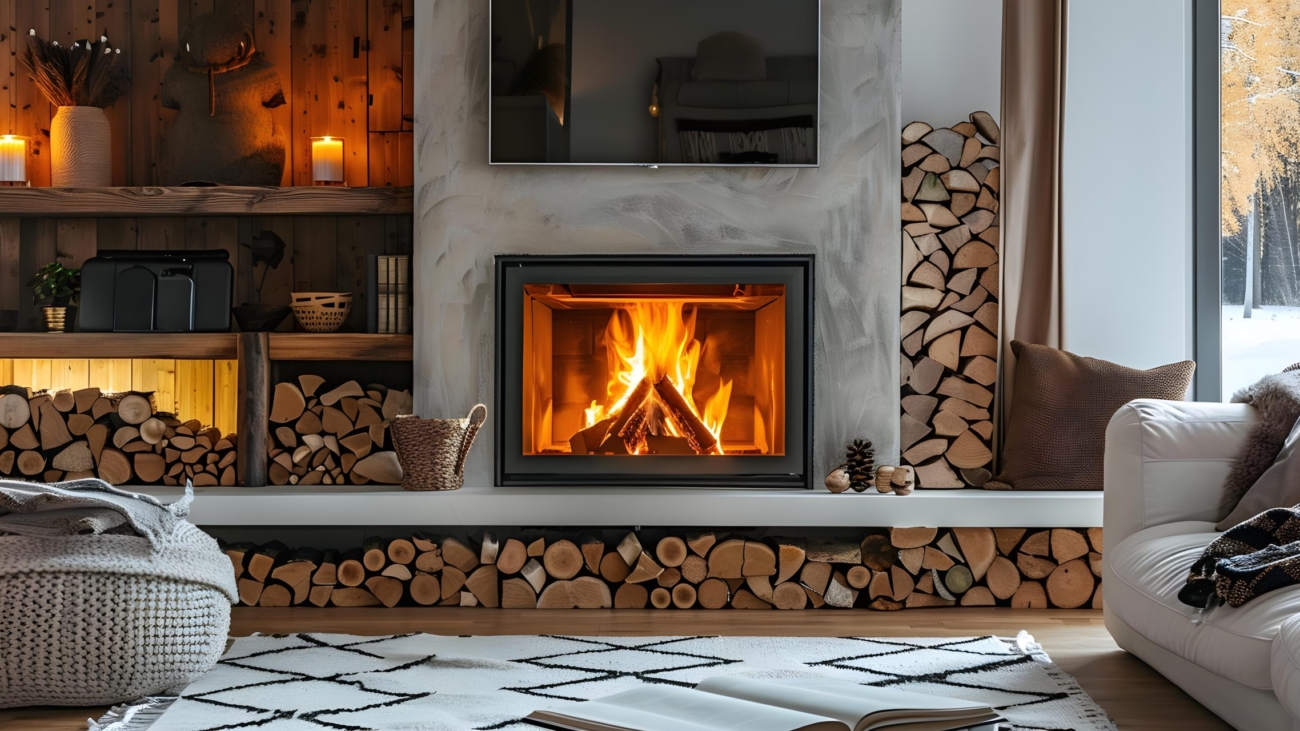
Designed and built from the ground up in Southern California, this impressive two-story custom residence was created around one essential idea: bringing people together. With a growing family spanning multiple generations and a love for hosting memorable gatherings, the homeowners wanted a space that felt equally suited to intimate family moments, lively celebrations, and elegant philanthropic events.

The main floor became the heart of the home, with carefully planned gathering areas that encourage conversation, comfort, and connection. Rather than relying on one oversized seating arrangement, the living spaces feature distinct furniture groupings, each with its own character and purpose. Every arrangement makes a visual statement while contributing to the overall harmony of the great room. The result is an inviting environment where guests can mingle naturally, settle into comfortable conversations, or gather together for special occasions.

Throughout the residence, a rich palette of caramel-toned wood, plush upholstery, and thoughtfully selected natural materials creates a welcoming sense of sophistication. Warm wood finishes introduce depth and timeless appeal, while soft fabrics balance the architectural scale with a more relaxed, residential feel. Distinctive tilework and expressive stone surfaces add another layer of personality, bringing subtle variation, organic movement, and unexpected visual interest to the interiors.

One of the most compelling aspects of the design is the balance between traditional elegance and contemporary simplicity. Classic architectural details provide a sense of permanence, while modern forms, clean lines, and carefully chosen finishes keep the home feeling fresh. This combination allows the interiors to feel refined without becoming overly formal, making them just as comfortable for everyday living as they are for hosting larger gatherings.

The home’s generous proportions also create opportunities to introduce dramatic features without sacrificing warmth. Each room contributes to the larger design story, with materials, furnishings, lighting, and architectural elements working together to create a cohesive yet varied experience. Thoughtful contrasts prevent the interiors from feeling too uniform, while carefully coordinated finishes maintain a natural flow from one space to the next.

Ultimately, this style of American home design is about more than impressive rooms or beautiful finishes. It is about creating a setting that reflects the homeowners’ lifestyle, supports meaningful connections, and makes every gathering feel special. From relaxed afternoons with family to thoughtfully hosted evening events, the home offers a versatile backdrop for the moments that matter most.

The result is a timeless yet distinctive residence where comfort meets sophistication, traditional character blends with modern design, and every space is made for living well and entertaining beautifully.

10 Creative Ways to Make Florals Part of Your Interior

Florals are a lovely way to bring color, warmth, and personality into your home. And they don’t have to look old-fashioned. From bold botanical wallpaper to delicate flower prints and fresh arrangements, there are plenty of ways to make floral details feel fresh and modern.

In American homes, florals work beautifully with everything from classic furniture to clean, contemporary spaces. Whether you want to make a statement or add just a few subtle touches, here are ten ideas to inspire your next design update.

1. Make a Statement With Floral Wallpaper

Floral wallpaper can completely change the feel of a room. Large blossoms and dramatic botanical patterns create a bold look, while smaller prints in soft colors feel calm and timeless.

Try floral wallpaper behind a bed, in a dining room, or in a small powder room. If you’re covering an entire room, keep the furniture and accessories fairly simple so the pattern has room to shine.

2. Bring Florals Into Your Furniture

A floral armchair, patterned sofa, or upholstered ottoman can add character without changing everything else in the room. For a traditional look, choose soft colors and delicate prints. If you prefer something more modern, try oversized flowers or unexpected color combinations.

Not ready to commit to patterned furniture? Floral cushions, throws, and bedding are easy ways to try the look and switch things up whenever you like.

3. Choose Nature-Inspired Lighting

Lighting doesn’t have to be purely practical. Chandeliers shaped like flowers, petal-inspired lamps, and sculptural fixtures with organic details can become beautiful focal points.

A statement chandelier works well above a dining table, while smaller floral lamps can bring a playful touch to a bedroom or living room. Brass, glass, and ceramic finishes each offer a different look, from elegant and traditional to modern and artistic.

4. Decorate With Botanical Artwork

Flower paintings and botanical prints are an easy way to bring nature into your home. A large, colorful artwork can brighten a living room, while a collection of smaller prints creates a charming gallery wall.

Try mixing vintage illustrations with modern paintings for a more collected look. Wooden frames, neutral walls, and natural textures help the artwork feel right at home without making the space look too formal.

5. Add Floral Curtains

Floral curtains can soften a room and make plain windows feel more inviting. Delicate patterns work well in bedrooms and traditional living rooms, while larger prints can add personality to a more contemporary space.

Think about the colors already in the room before choosing a fabric. Curtains that pick up a shade from your rug, cushions, or artwork will help everything feel connected. If the print is bold, keep the surrounding decor simple.

6. Bring Florals to the Floor

A floral rug can tie a room together while adding color and texture. Traditional patterns bring a timeless feel, while abstract flowers and oversized botanical designs look fresh and modern.

In a neutral living room, a colorful rug can become the main attraction. If you already have floral wallpaper or patterned furniture, choose a simpler rug to keep the room balanced. Wool and cotton options can also add a cozy, comfortable feel underfoot.

7. Start With Small Decorative Details

You don’t need to redecorate an entire room to enjoy floral design. A flower-patterned vase, decorative bowl, embroidered cushion, or botanical tray can make a space feel more personal.

Try grouping a few favorite pieces on a coffee table, shelf, or bedside table instead of spreading them everywhere. Mixing floral details with wood, glass, and ceramic accessories keeps the arrangement interesting without making it feel cluttered.

8. Try Floral Tiles and Decorative Details

Florals aren’t just for fabrics and wallpaper. Patterned tiles, decorative cabinet fronts, and nature-inspired hardware can bring an unexpected touch to kitchens and bathrooms.

A floral backsplash can add character to a simple kitchen, while decorative tiles around a vanity can make a bathroom feel special. For a more understated approach, look for small botanical details in cabinet hardware or carved woodwork.

9. Mix Floral Patterns

If you love patterns, don’t be afraid to combine them. Floral wallpaper can work beautifully with patterned cushions, curtains, or rugs when the colors complement one another.

The easiest way to get started is to choose one larger print and pair it with smaller patterns. Stripes and checks can also help break things up. The goal isn’t to make everything match perfectly, but to create a room that feels comfortable and thoughtfully put together.

10. Bring in Fresh Flowers and Greenery

Sometimes, the simplest idea is the best one. Fresh flowers on a dining table, a few branches in a tall vase, or a leafy plant in an empty corner can make a room feel more alive.

Choose flowers that suit your space and personal style. White blooms look beautiful in neutral rooms, while colorful seasonal arrangements can brighten up darker corners. If fresh flowers aren’t practical, houseplants and dried arrangements offer other ways to bring natural shapes indoors.

Let Your Home Bloom

Florals can be bold, subtle, traditional, or completely modern. You might fall in love with a dramatic wallpaper, find the perfect patterned chair, or simply add fresh flowers to your favorite room.

Start with what you love and build from there. You don’t need to fill every corner with flowers to make an impact. Sometimes, one thoughtful detail is all it takes to give a home more color, warmth, and character.